
June 2025
Tsimane Pluma Lodge - Hosted Trip June Report
Author: David Leake
Photography By: Matt Jones
Every intrepid angler must add Golden Dorado fishing in Bolivia to the list
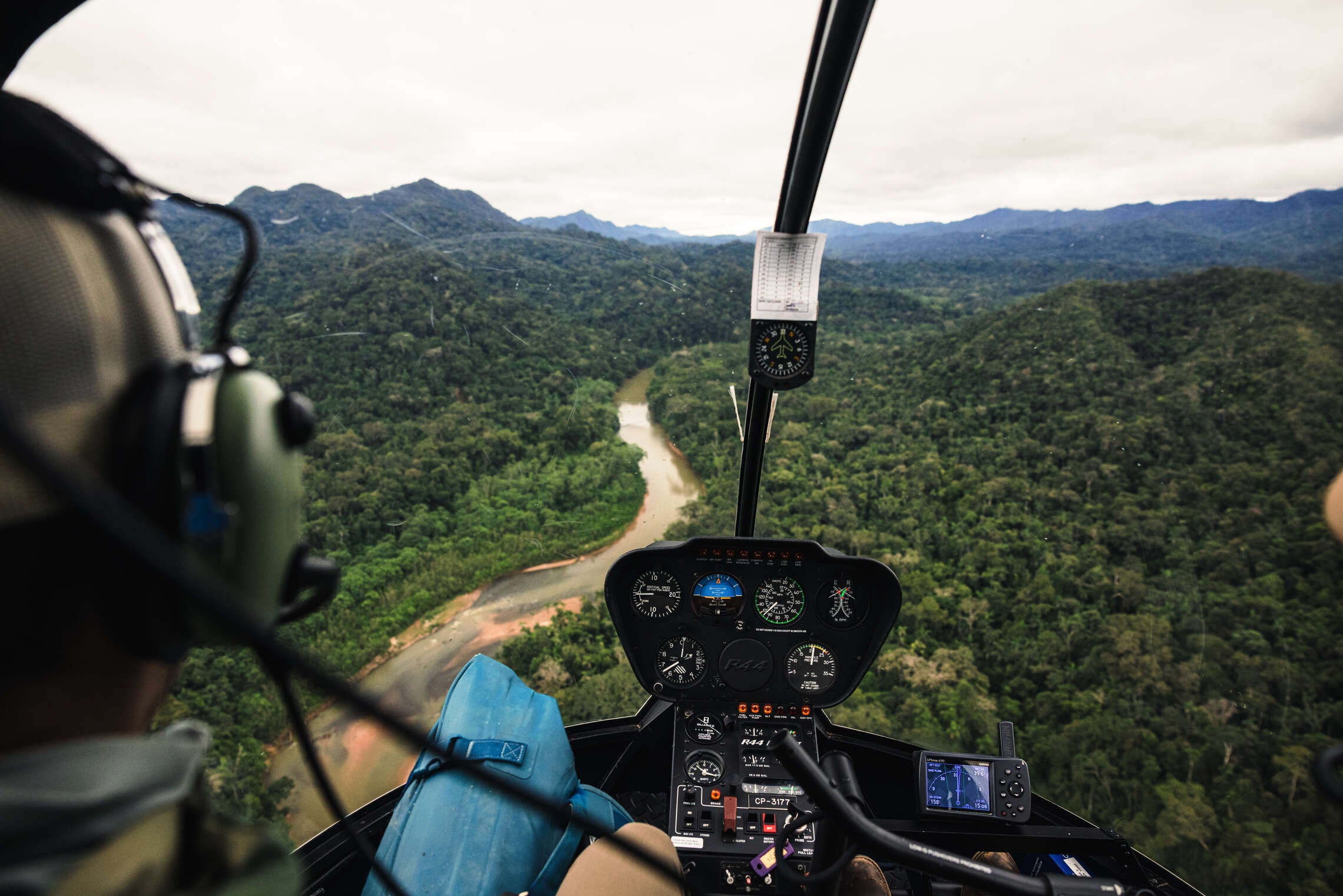
There are not very many places on the planet that give a sincere opportunity to visit a truly wild place with zero human footprint. Untamed Angling’s pioneering efforts over the last two decades to explore the most unmolested corners of the planet are unmatched throughout their operations in the Amazonian Basin — but their helicopter-based program from Tsimane Lodges at Pluma Lodge in Bolivia sets the highest standard. The pure beauty, density, and vastness of the jungle is overwhelming. Cruising in a heli over the canopy at 110 knots gives the best appreciation for the endless and impenetrable nature of the environment and mind-blowing biodiversity here. Imagine crystal clear New Zealand-style trout rivers on the set of Jurassic Park or Predator! The first impression you will surely have of the Tsimane Lodges is, “how on earth did they build this here?”



All-Star Group of Tailwaters clients are what makes hosted trips so great
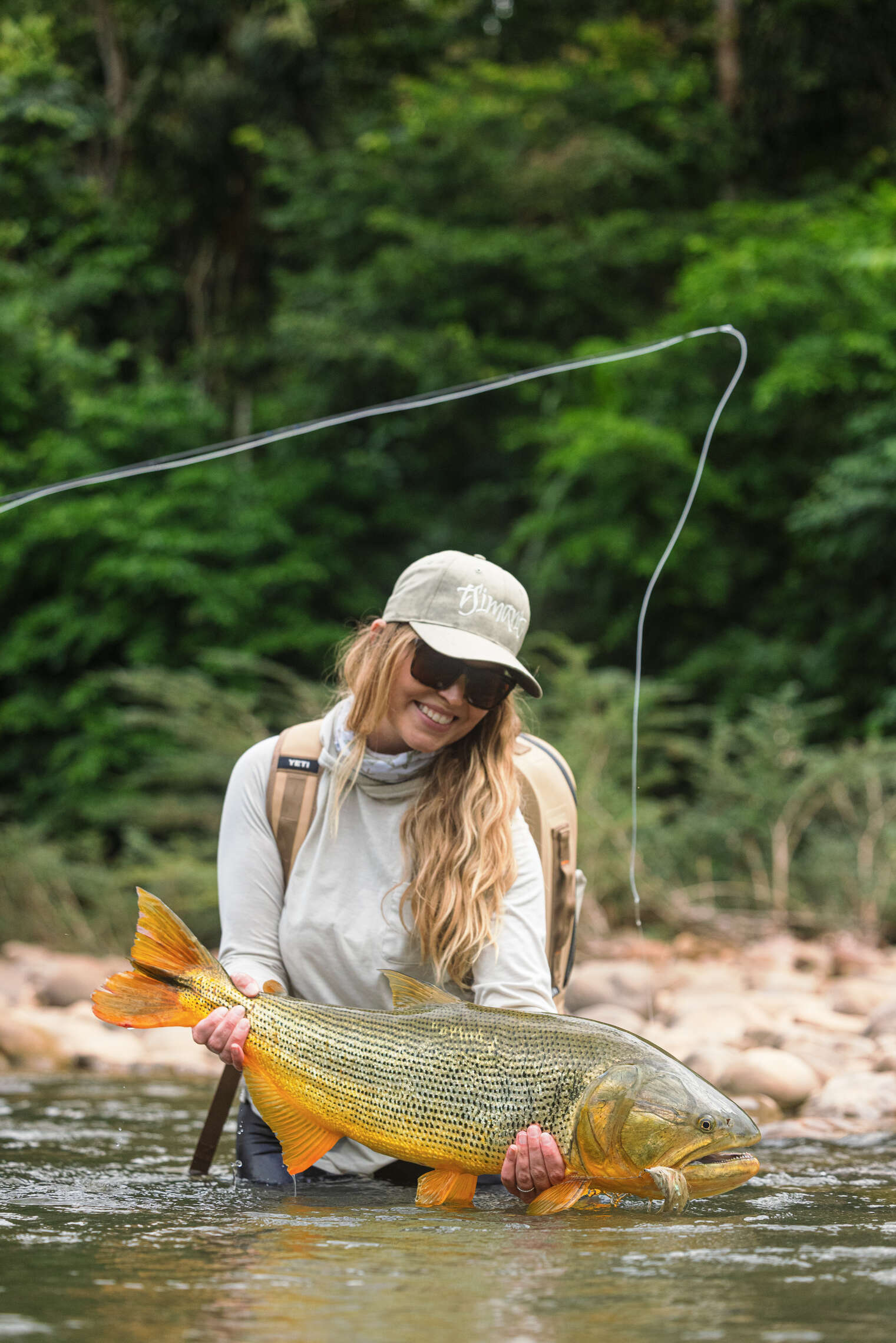
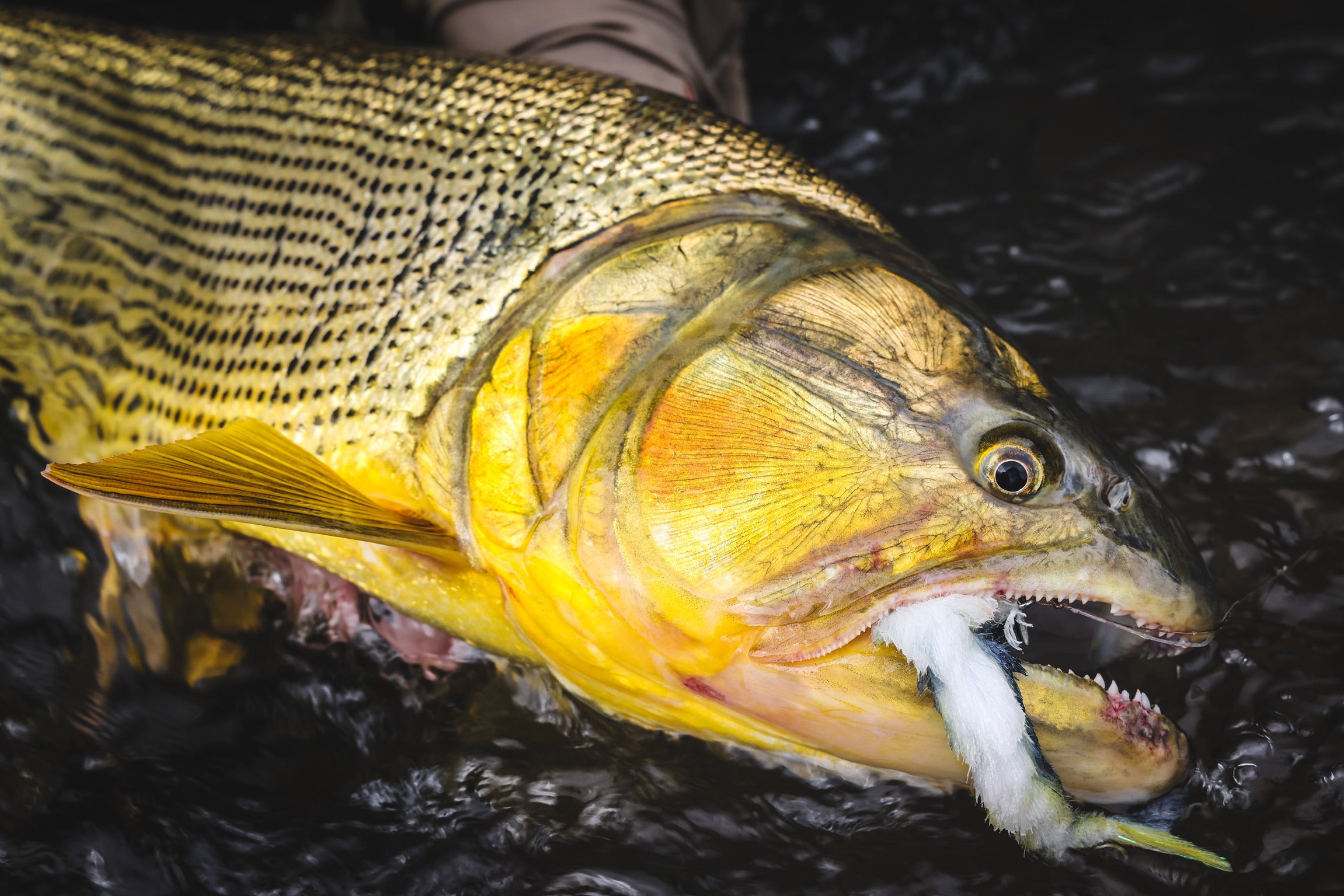
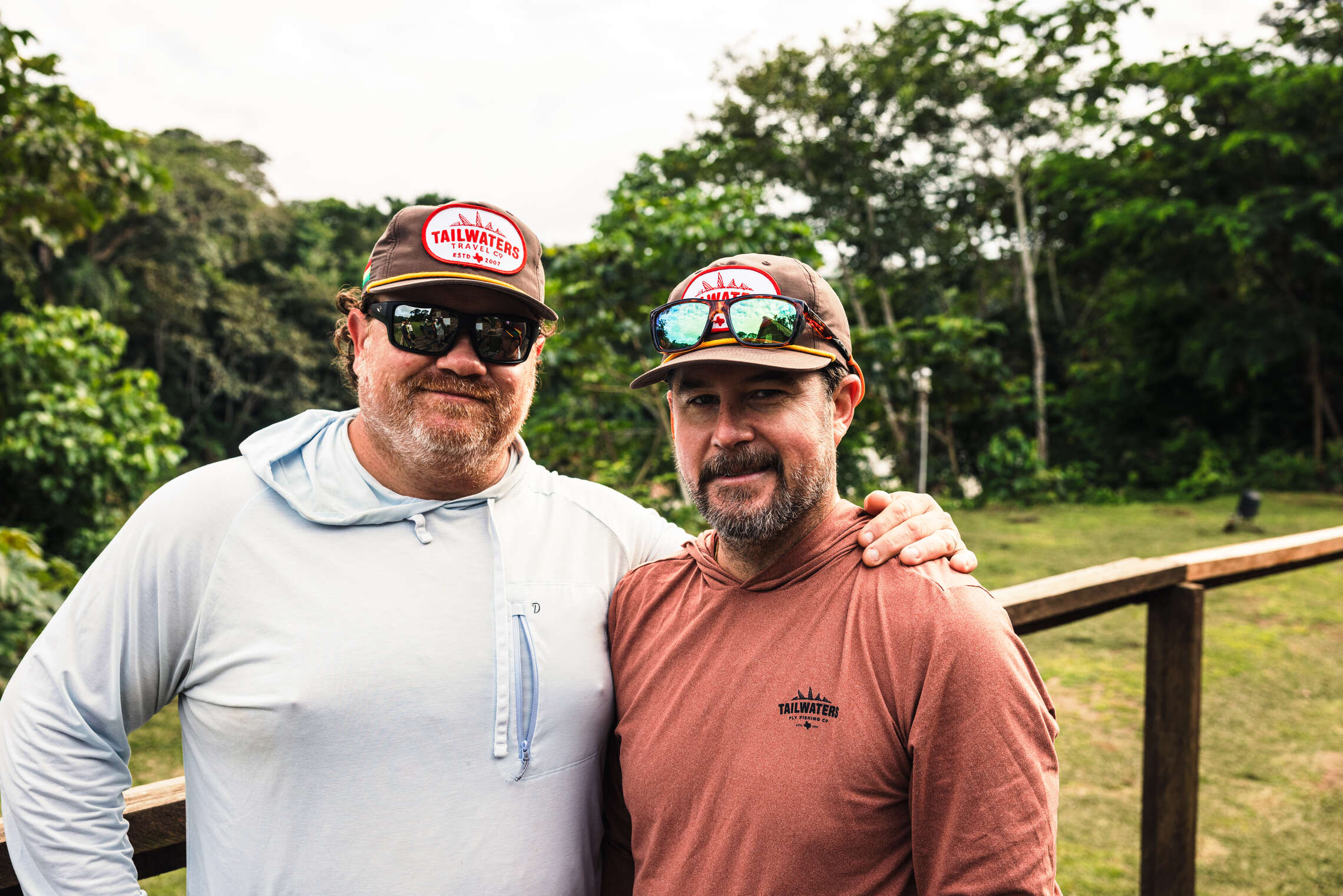
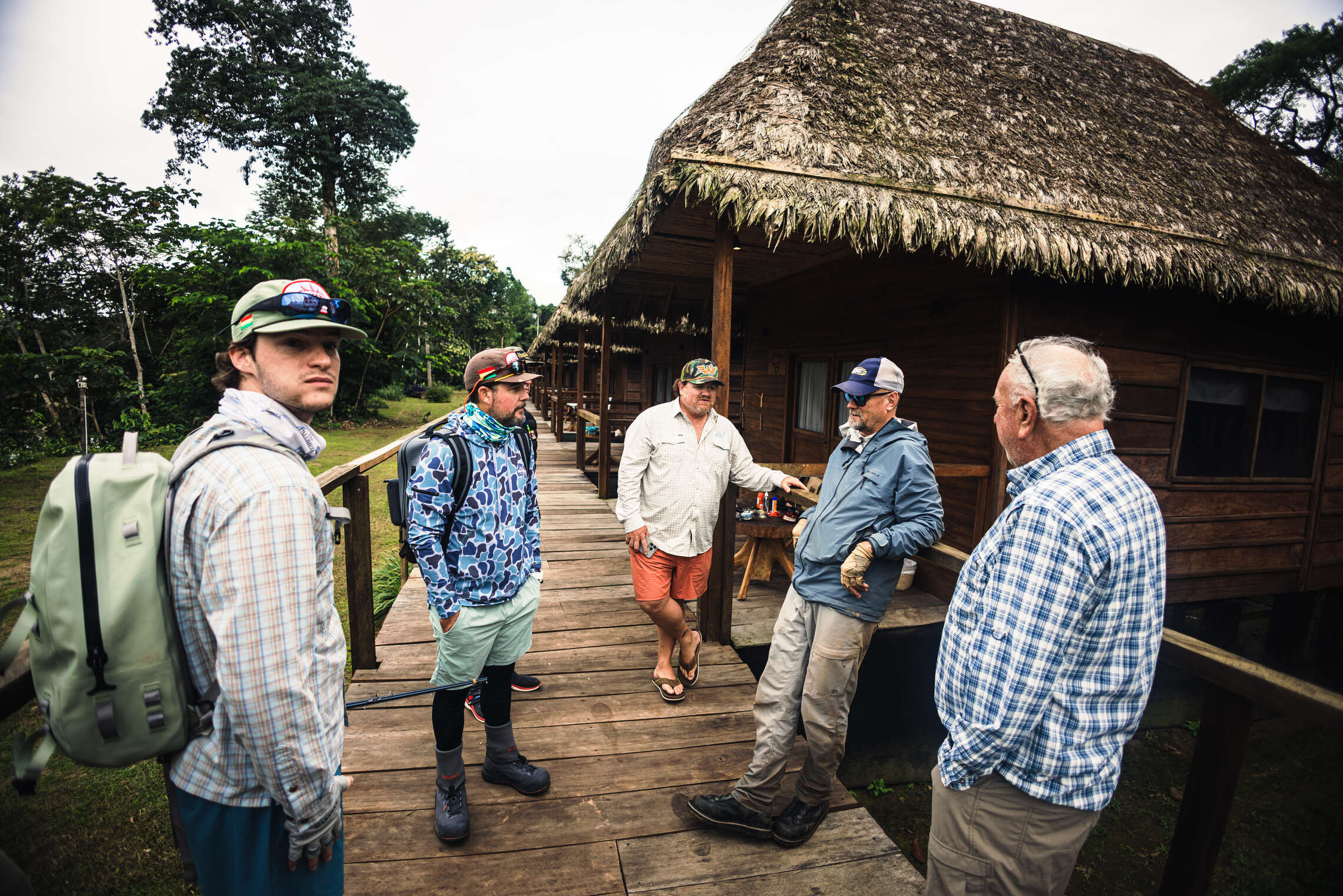
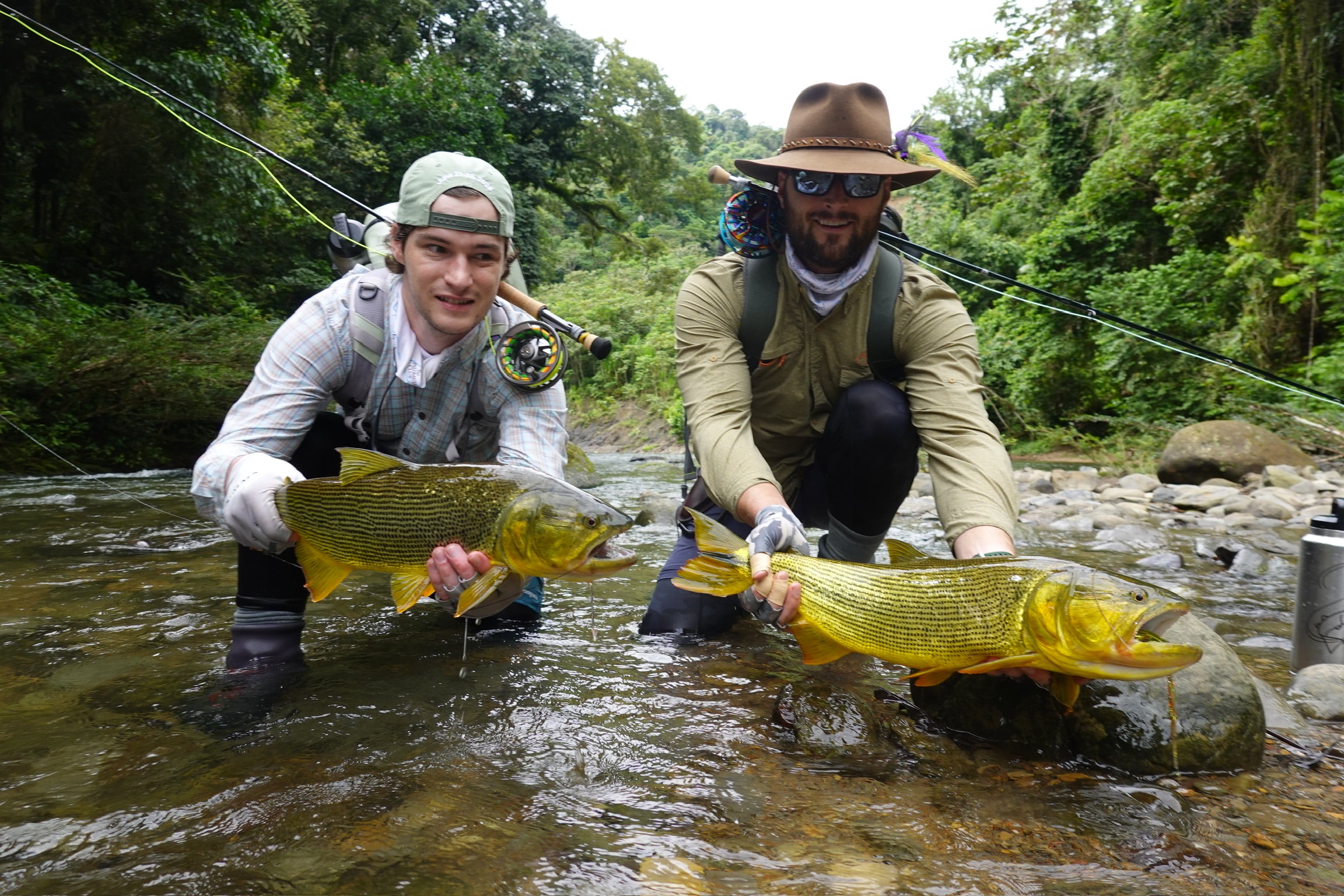
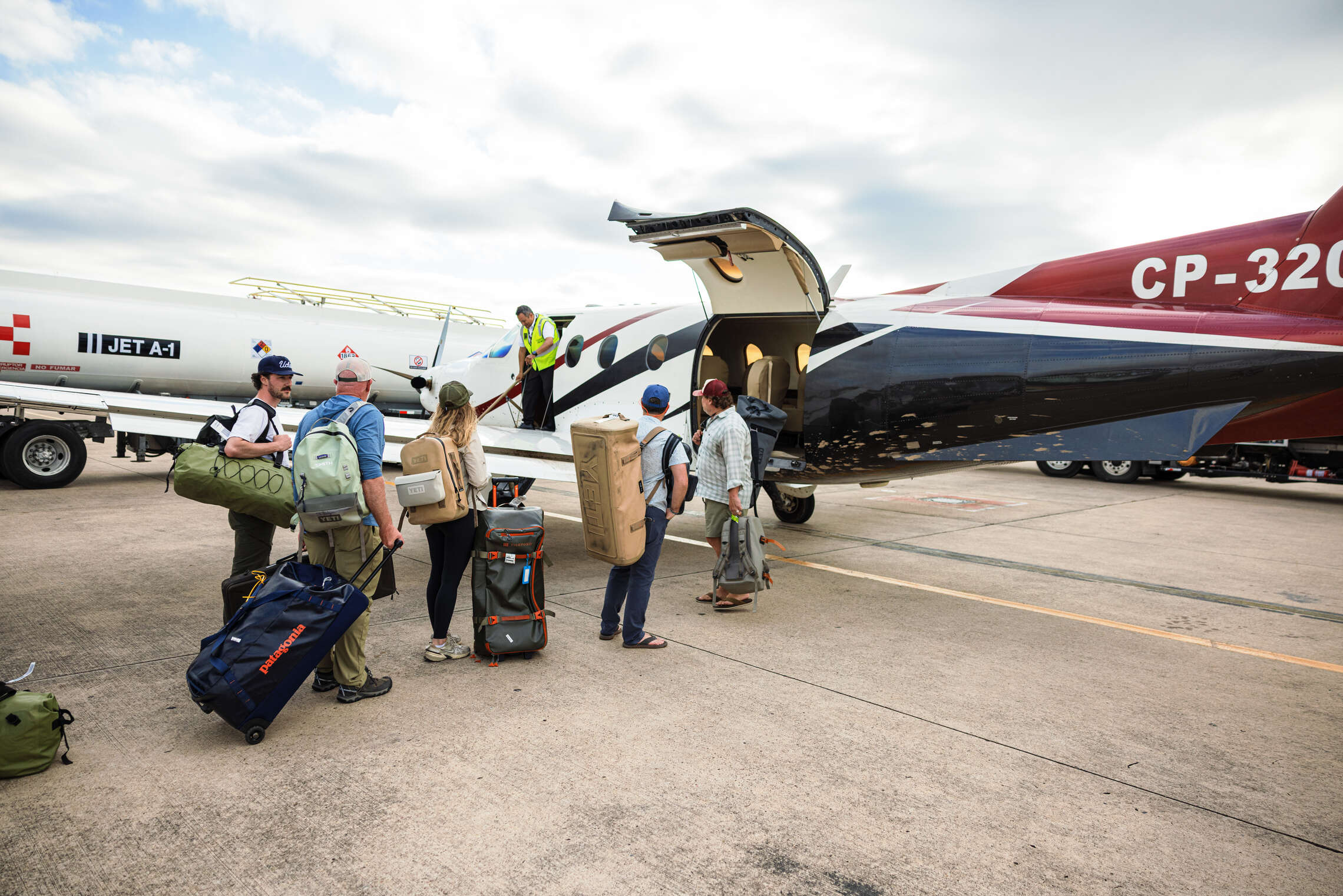
We were again blessed with an incredibly fun and interesting group of folks of all ages, stages, genders, and origins. Calgary, New York, Chicago, Charleston, Bozeman, Denver, Jacksonville, and Texas were all well represented. Huge shout out to the whole squad for rolling with the punches at times, catching some incredible fish, and ultimately finding humor in our tiny hand shenanigans! Like most group trips, people start out as strangers and finish the trip with a common bond of incredible memories and friendships. It was a true pleasure spending time traveling, eating/drinking, exploring, laughing, and Golden Dorado fishing in Bolivia with each of you guys! I am confident this was the first of many adventures together.
This is also not a trip for sissies...
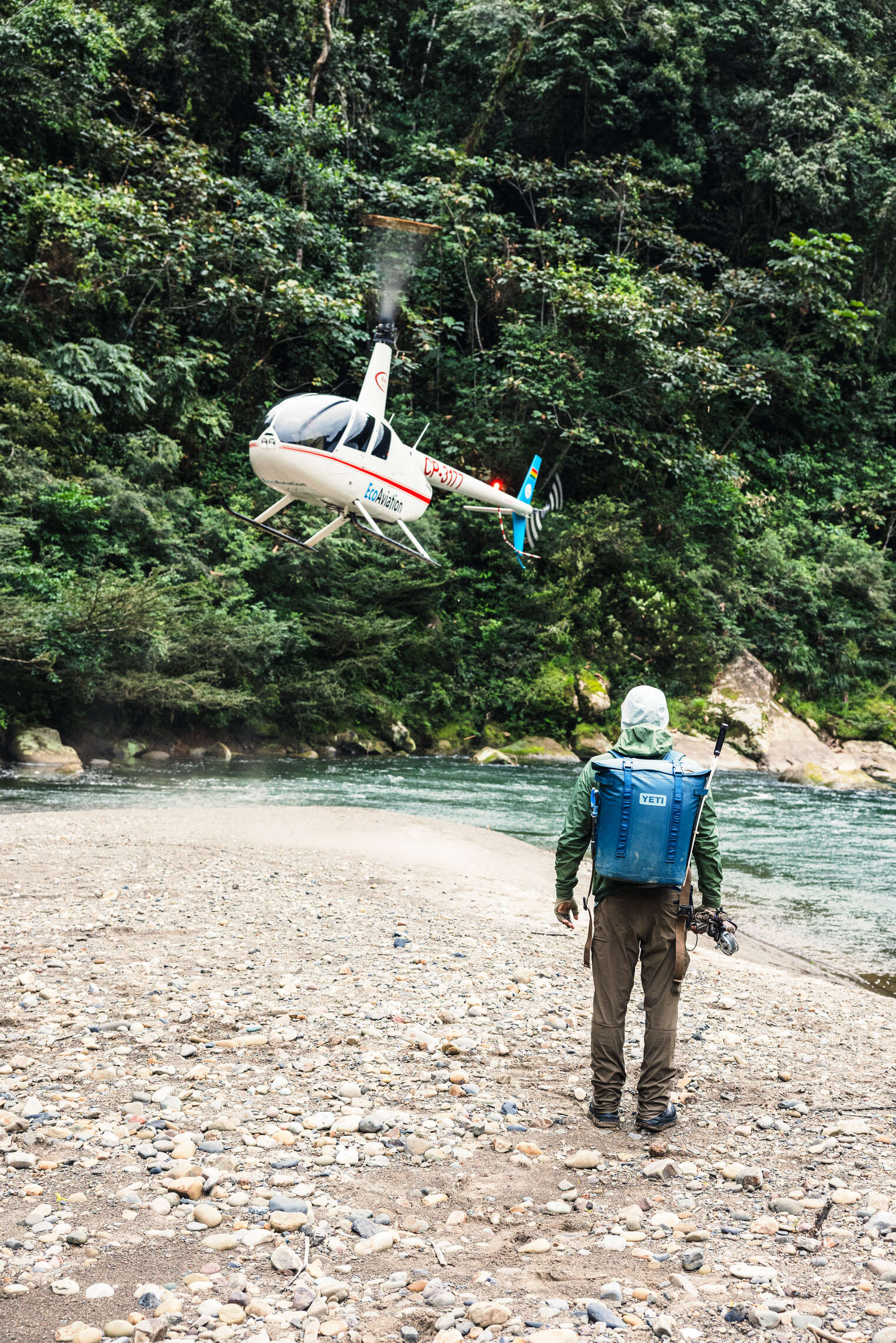
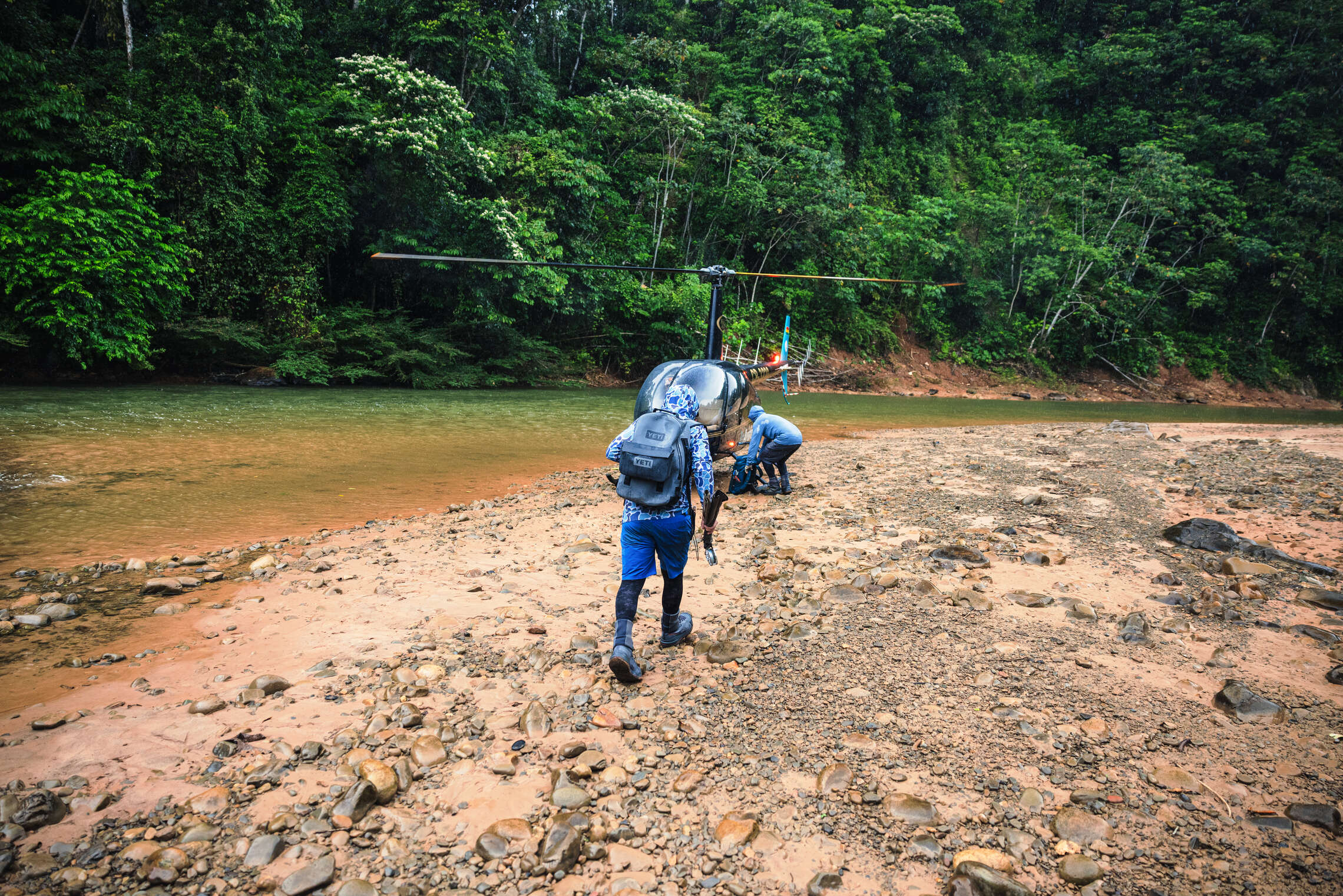
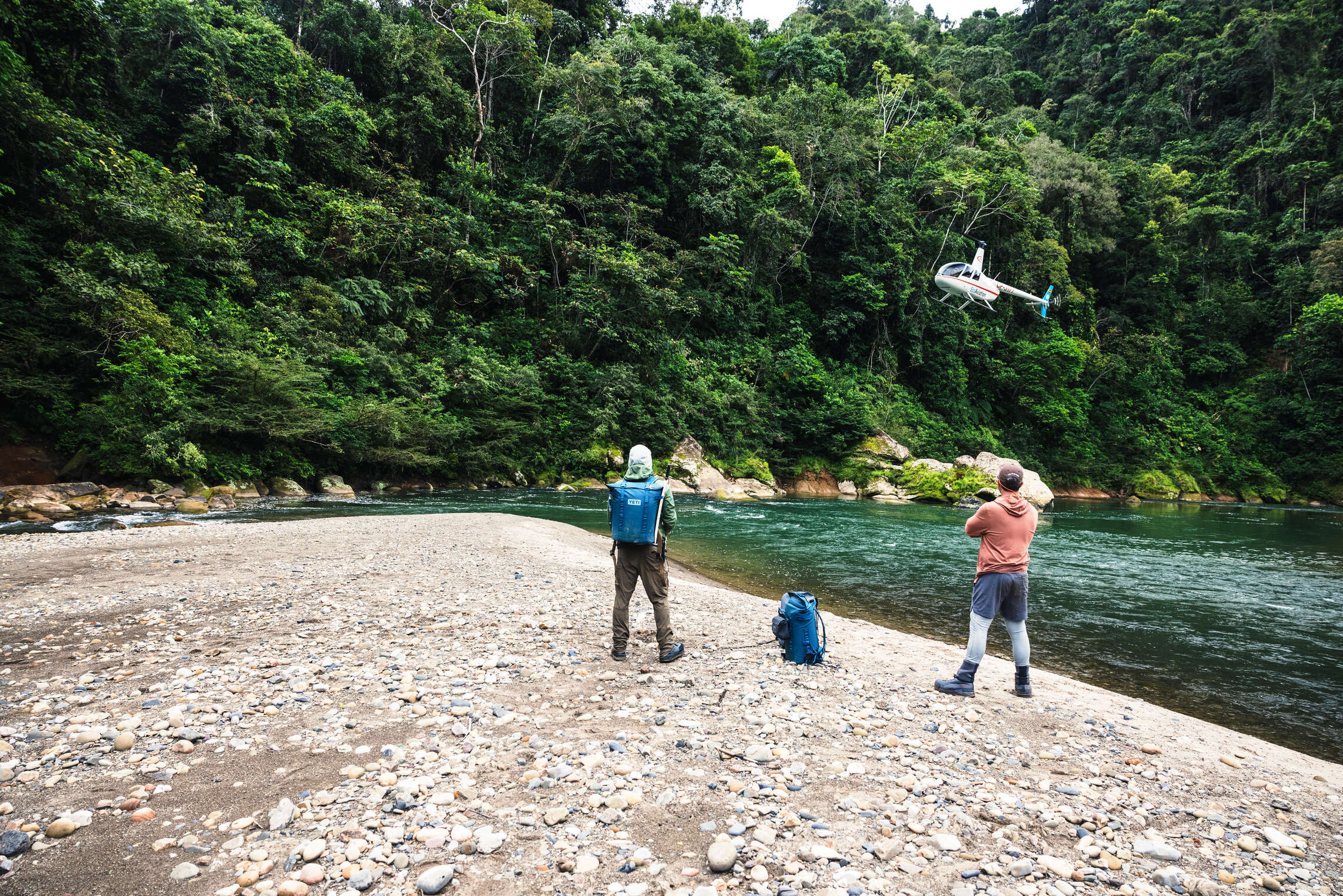
First impressions of any fishing trip involving helicopters to access remote rivers always conjure up an image of convenience and ease. While counterintuitive, the heli fishing in Bolivia program is actually a LOT more work than their sister programs at the “regular” lodges that utilize the mobility of dugout canoes. Two anglers and a guide are dropped on a sandbar at spot X and scheduled to pick up at spot Y upstream several hours later. While the guides carry Garmin InReach devices and can call an audible as needed, for the most part, you are fishing 2-4 kilometers of a river beat each day. This involves walking and wading rough rocky (slippery) terrain, climbing boulders, locking arms in rapids, machete-ing your way through Bolivian jungle fly fishing terrain, and often swimming deep pools. Jason Petty’s record day was 26,000+ steps! It is worth getting into shape for this trip for sure, and if you do not do well with bugs this trip is not for you!


Heli Fishing versus Non-Heli Fishing?
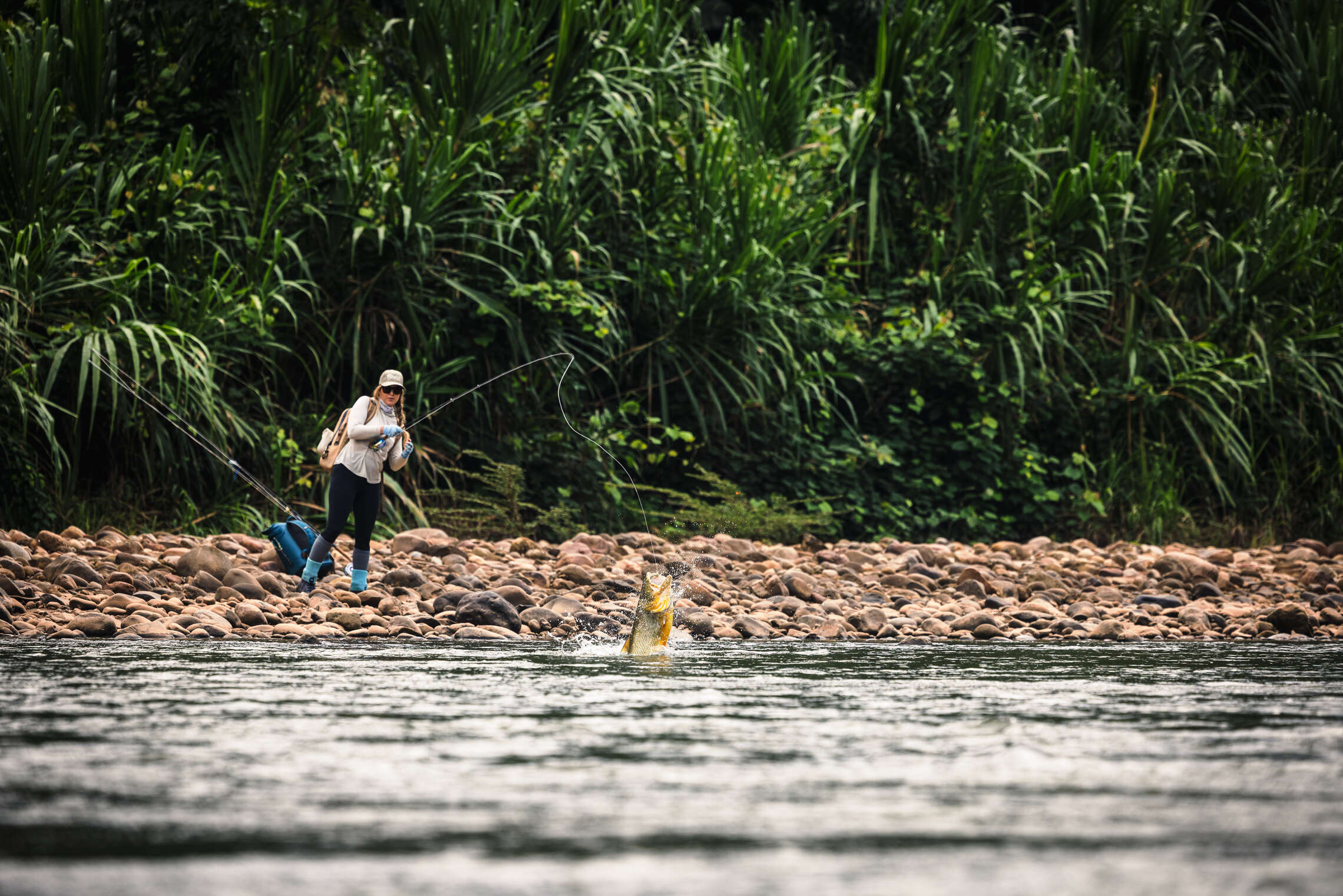
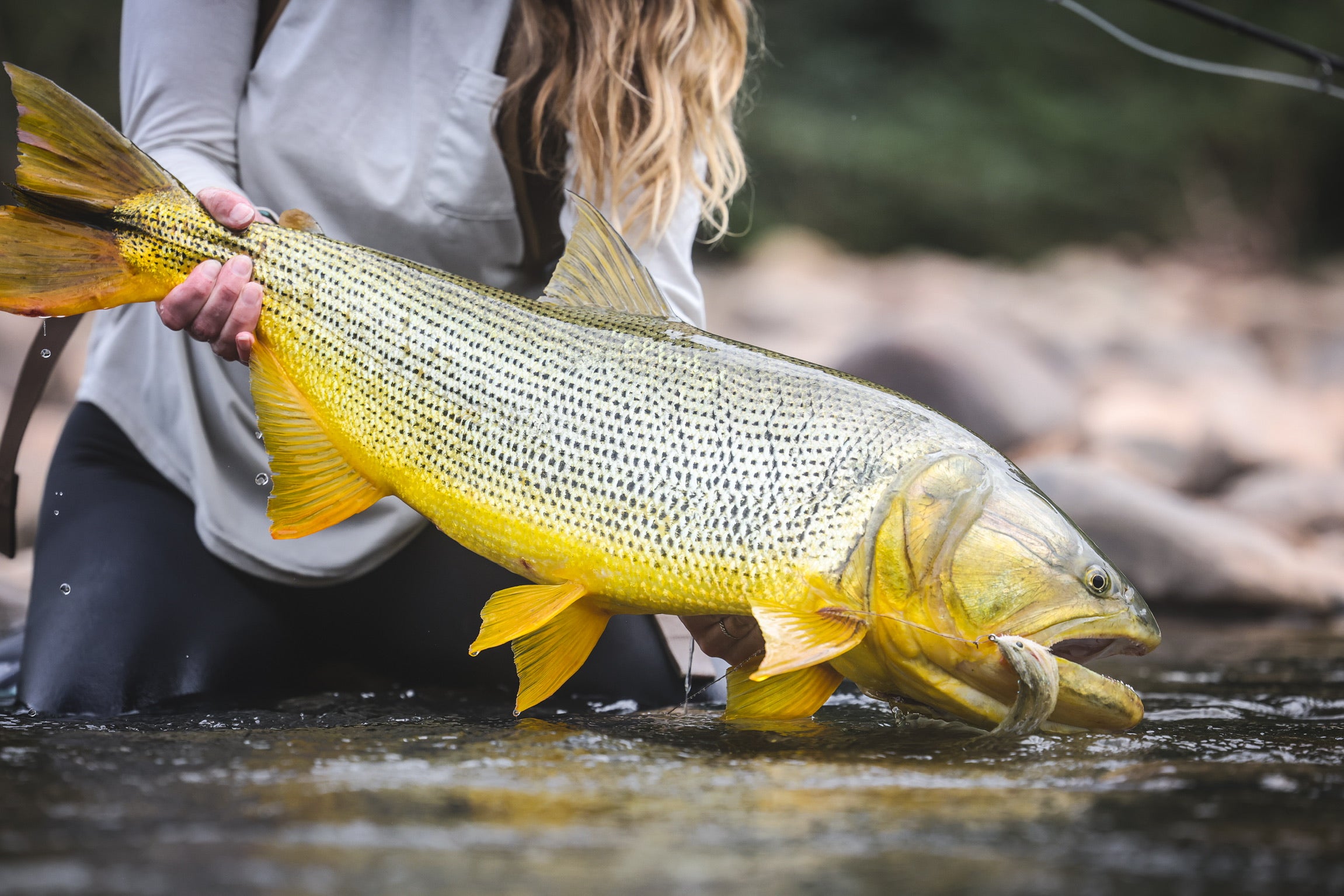
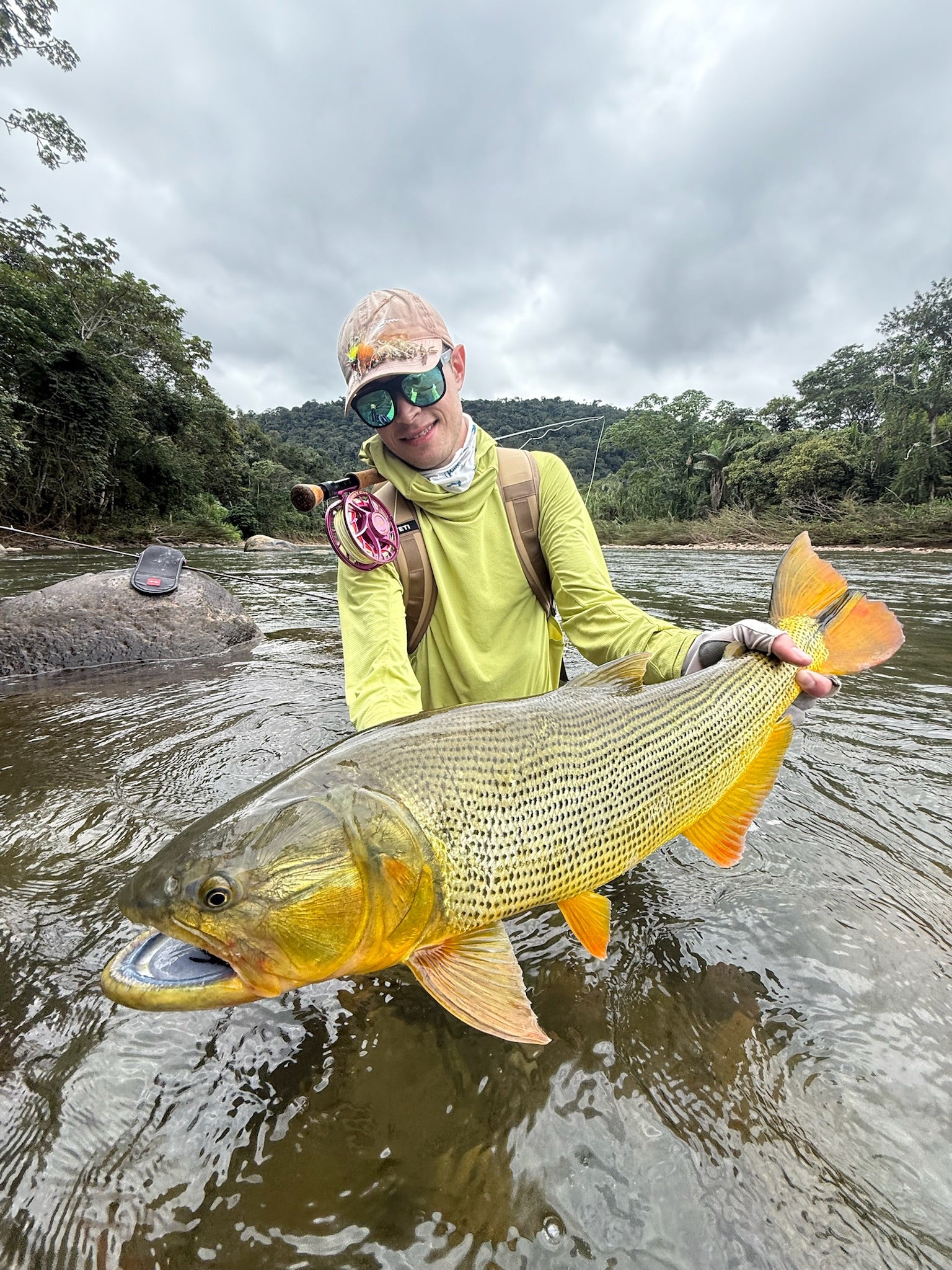
In addition to the physical nature of the heli fishing in Bolivia, there are several other key nuances to understand when deciding which trip/lodge is right for you. Heli anglers benefit from accessing the headwaters of several main river systems and multiple tributaries. The upper stretches of the Pluma and Iritizama for example are generally above the end of the migratory run of dorado. While the sabalo (baitfish) migration continues to the headwater of each of these rivers, the migratory dorado normally do not make it that high in the system(s). There is an overwhelming number of resident dorados in the headwaters that gorge on the arrival of trillions of bait starting in June. The lower river (non-heli) programs benefit from the arrival of sabalo AS WELL as migratory dorado that flood the larger portions of the lower sections. Both scenarios can have huge benefits depending upon conditions during your specific visit. The lower river(s) might see more anglers during the season, but you always have new fresh fish arriving. If you are not up for the physical nature of the heli fishing in Bolivia for all six days then you should consider the hybrid program and enjoy some mellow days poling around in the dugouts.


Wildlife (and Insects)
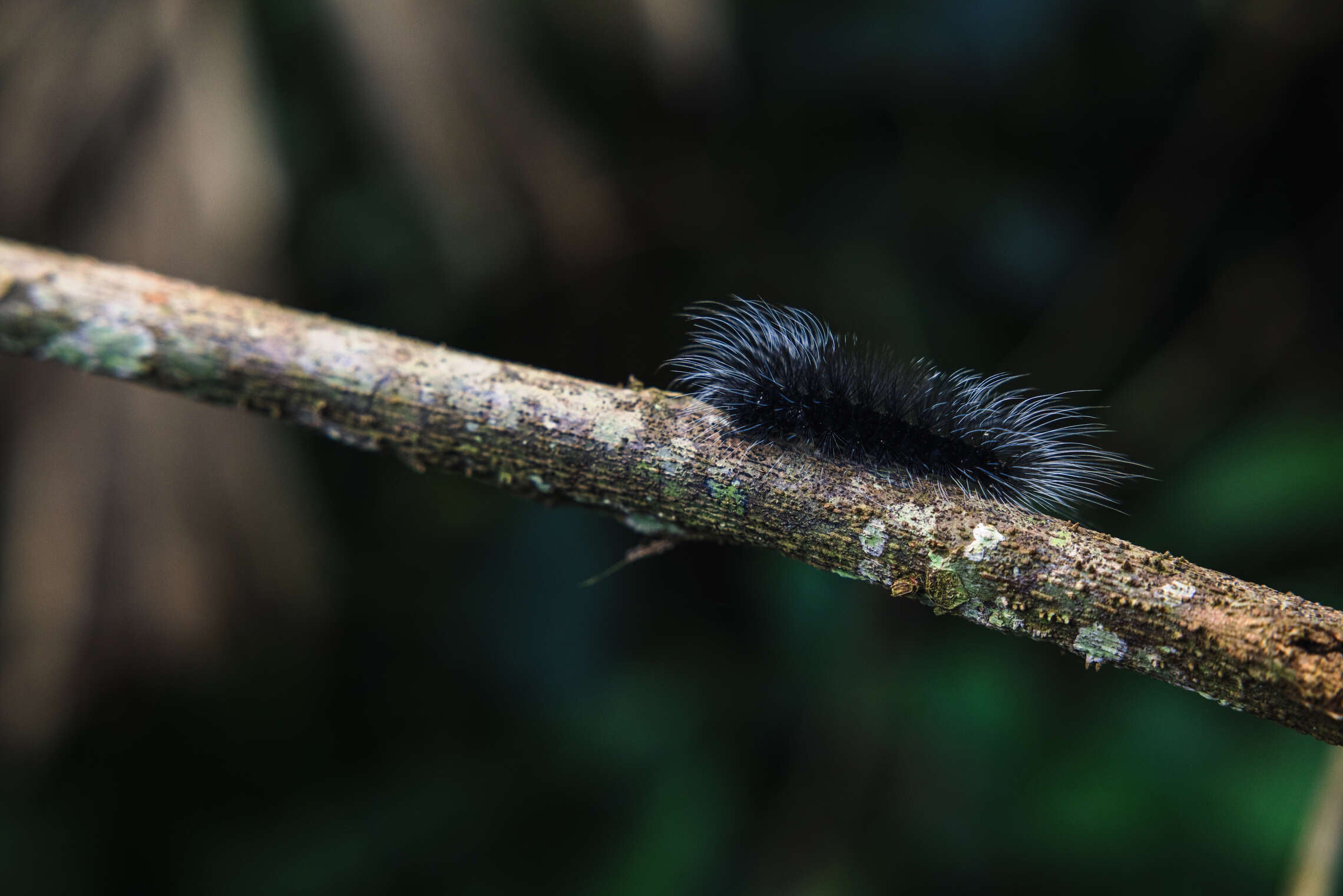
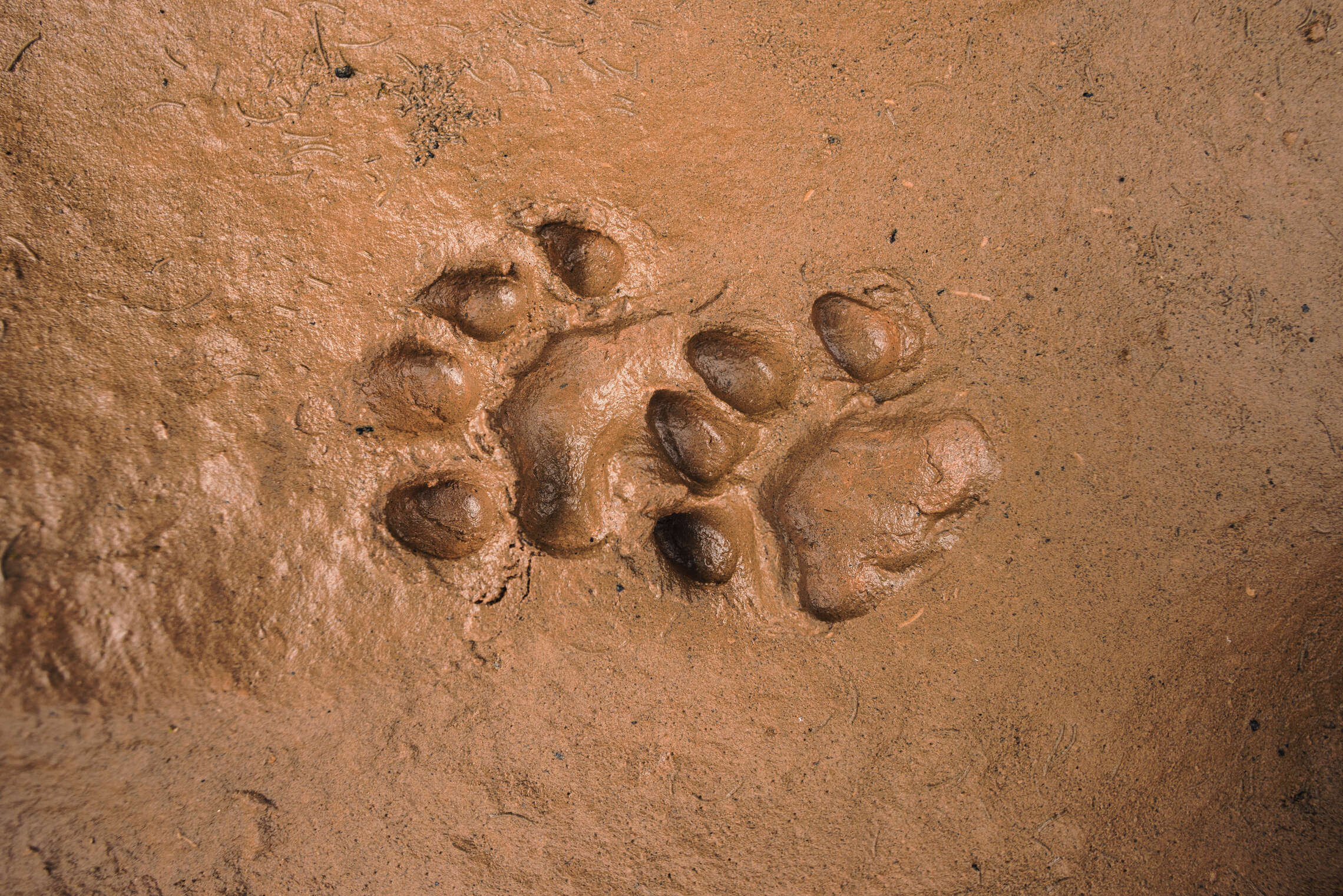
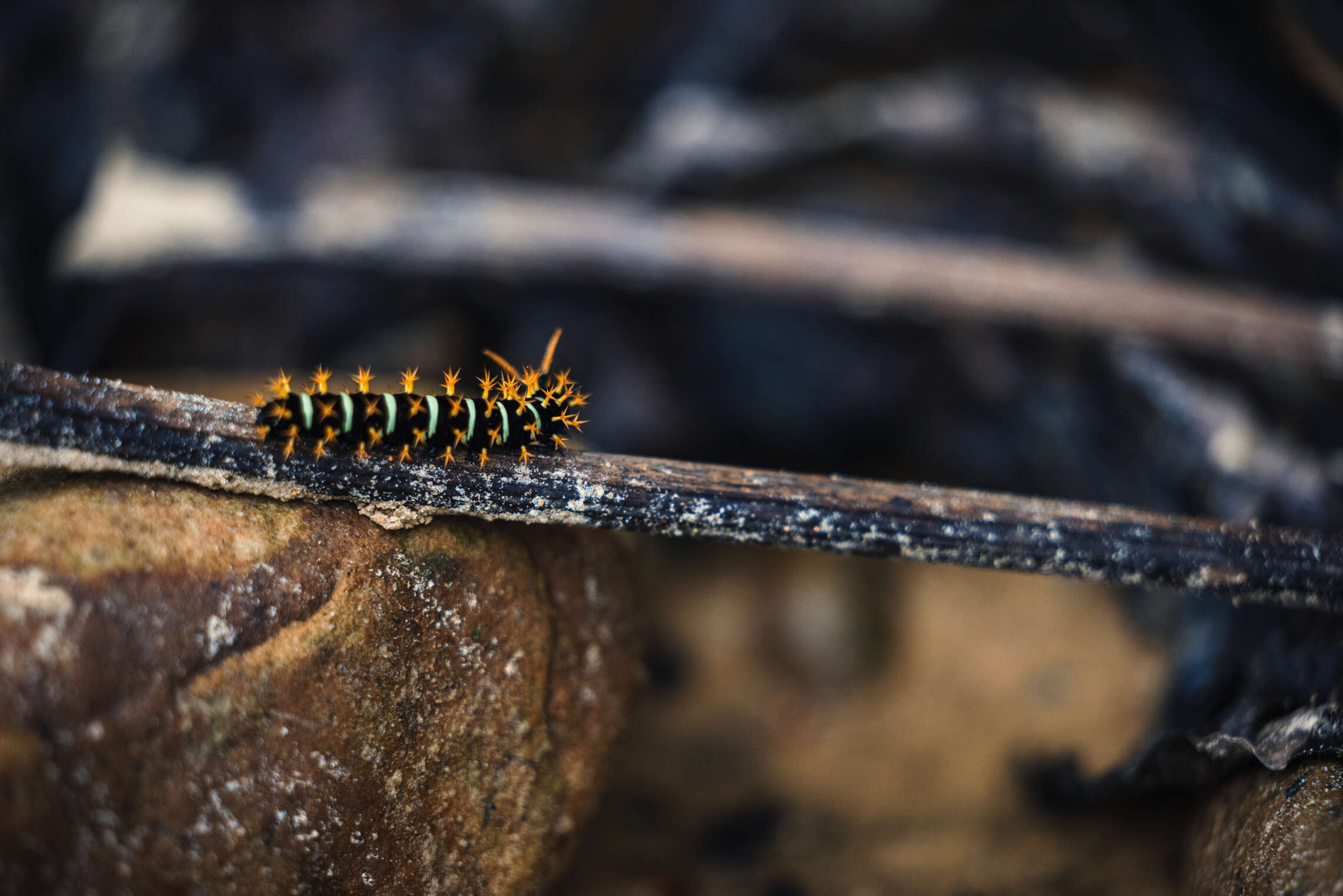
It is easy to imagine there are a lot of critters in the jungle, but I was overwhelmed with the amount of wildlife, birdlife and insect life. Jaguar, tapir, and a whole host of small mammal footprints run up and down the river banks. Countless species of birds including colorful macaws start each day as your alarm clock. Every conceivable kind of butterfly, moth, ant, beetle, grasshopper and caterpillar imaginable are always only a few paces away if you stop to look. Just do not touch!

Seasonality & when is the “best time” to go?
It is a common phenomenon for traveling anglers to become experts on the best time to be there based upon their one or two visits to any given fishery. This is just as true for trout fishing in the Rockies as it is to permit fishing in the Caribbean…or Golden Dorado fishing in Bolivia. Whether you are there at the “best” time of the year or not because your buddy who fished it 7 years ago told you so; any myriad of variable conditions can evolve any given week of the season. All these variables (including angler ability) have an impact on the perceived quality of the fishing experience.
This is especially true for the Golden Dorado in the Bolivian jungle. We have spoken with anglers who have visited the same week every year for a decade; and they have claimed to have ten completely different experiences in ten trips. High water, low water, hot, cold, rain, sun, lots of bait, little bait, only big fish, lots of small ones, etc. On a more micro level, we had anglers on different beats of the same river on the same day that experienced completely different fish behavior…
In addition to not overthinking it, a cursory understanding of the life cycle of the fishery is as follows: Rain and floods early in the year welcome the arrival of migratory baitfish (sabalo) to the upper reaches of the Pluma, Secure, and Agua Negra river systems. May/June marks the beginning of the South American winter and the start of the dry season. The fishing season with the Tsimane Lodges begins in June during the peak of the sabalo run coinciding with dropping / clearing rivers and congregating dorado. If you hit it just right (like we did), this is the freshest the rivers will feel all year. As the season progresses the rivers become even more clean and clear. With each supplemental rain comes a fresh run of sabalo and dorado. Dry conditions can make it tough… Too much rain can blow things out. The right combination can be magical. The bottom line is that without the benefit of hindsight, there is no way to predict the best time to be down there! You don't know unless you go!

The travel involved for North American anglers is also not for sissies...
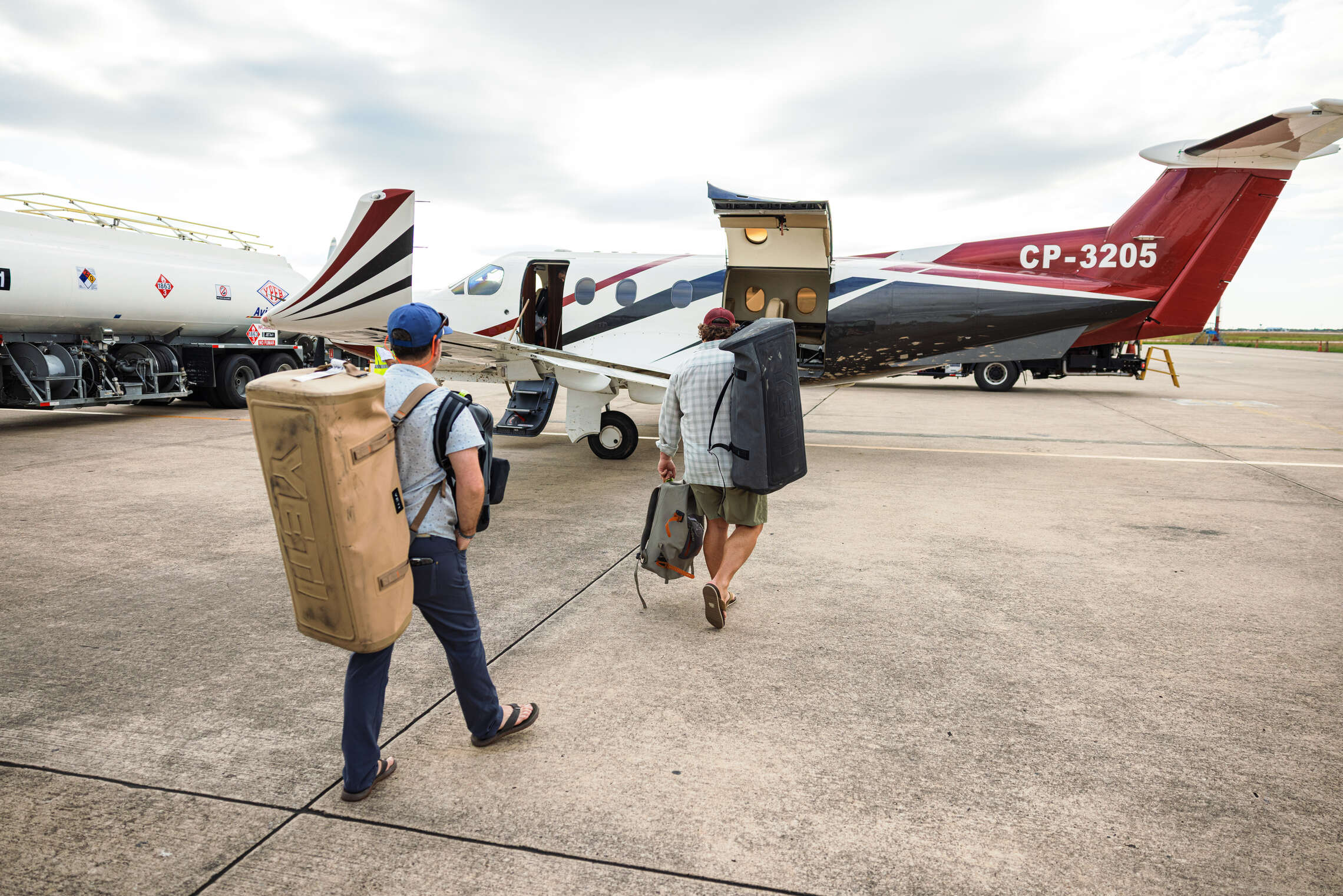
Getting delivered to the jungle safely requires some patience and some serious layover time. With so many variables involved, there is no such thing as a set schedule. Here is a high-level look at a standard itinerary via Miami with Boliviana Airlines as an example:
En Route:
Home → Miami → Santa Cruz → Overnight Los Tajibos → 50-minute charter to the Oromomo Village → Heli flight to lodge.
Way Home:
Lodge → Heli to Oromomo Village → Charter to Santa Cruz → Layover (or overnight) at Los Tajibos → Miami → Home
While the actual flight times are not too rough (6.5 hours from Miami), there is a lot of ‘hurry up and wait’ involved. Most flights arrive at Santa Cruz (VVI) early in the morning and dictate a full 24 hours at the Los Tajibos Hotel before flying out to the lodge. While technically you could forgo the overnight in Santa Cruz, this comes with tremendous risk with the prospects of delays, missed connections, or lost luggage (Jessica’s bag was lost in transit and gratefully caught up with us minutes before our charter departed). Guests can travel with Copa or Latam Airlines via Panama or La Paz, while most USA anglers connect in Miami for a non-stop to Santa Cruz with Boliviana Airlines. Be prepared for some downtime!

The incredible Tsimane / Pluma Lodges Team
Hats off to the whole crew at Tsimane Lodges! The head honcho manager and Prime Minister of Tsimane Lodges is Vincente “Chucky” Lorente. His upbeat attitude, sense of humor, and organizational skills are spectacular—not to mention the best pizza baker and barista in the jungle. A mixture of experienced Argentines and Chilenos make up the guide team; all of which speak great conversational English and are total pros. The pilots are very impressive dudes that were trained by the DEA and have countless hours flying in the jungle. The ladies in the kitchen and lodge staff were always in good spirits and worked tirelessly to ensure everyone was comfortable and well-fed/drank. Like any highly capitalized and well-organized operation with this many complexities, there are also an endless number of support staff (including Tsimane indigenous people) that contribute behind the scenes to maintenance, repairs, electricity and water systems, landscaping, supply deliveries, and so much more.
The trip starts with arrival in Santa Cruz where guests are met at the airport by Untamed Angling’s Zoltan Loecsey. Zoltan is your man for anything and everything in the city and is a critical member of the team. Of course, the mastermind behind the whole Tsimane Lodges project is Marcelo Perez. Marcelo has worked tirelessly since day one putting together and maintaining the enormous undertaking that is Golden Dorado fishing in Bolivia. From complex logistics, marketing, exploring new fisheries, and operations at all lodges to maintaining the commitment to the Tsimane people and the national parks… Marcelo simply never quits.


Here is how to gear up for a Bolivian Golden Dorado trip
While you definitely want to have exactly the right gear, clothing and tackle—it is actually a fairly simple packing list. The primary consideration when gearing up is to ensure comfort and protection from the elements here. You want to cover every bit of skin possible to protect from sand flies (hoodies, tights, long pants, gloves), and excellent footwear (felt soles) along with associated guard socks and/or gravel guards are mandatory. A fully submersible backpack or hip pack is also a must (you will do some swimming), and reapplying bug juice is critical. Just ask Jason Petty! Bring whatever meds you need for sore muscles and achy joints as well. The lodge(s) do have daily laundry service — which will allow guests to stay underneath the strict 45-pound baggage weight limit. While there are many additional nuances to packing and gearing up for any Bolivian jungle fly fishing trip, the following short checklist is helpful:
- Waterproof Duffel Bag
- 8wt & 9wt rod w/ floating saltwater line (ideally an aggressive taper that will turn over large flies)
- Spare reels or spools with intermediate sinking tip lines
- Wading boots with felt soles (NO RUBBER SOLES)!
- Polarized Sunglasses
- More flies than you think you will need! (3/0 - 4/0)
- 30 and 40 lb wire and 40 lb and 50 lb straight fluorocarbon
- Waterproof Hip / Chest Pack or Backpack
- Tropical Weight Rain Jacket
- Light jacket or pullover for cool evenings and mornings
- Saltwater Pliers
- 3 quick drying pants or shorts
- 3 pair of leggings or tights (if wearing shorts)
- 3 quick drying long sleeved shirts or hoodies
- 2 pair of light weight neoprene socks (Simms or Patagonia)
- 3 pair of Simms Wet Wading Socks
- Bug Spray (with high concentration of DEET)


Reach out for more information or to book your trip to the jungle
To learn more about Tsimane Lodges, you can view our webpage HERE. Reach out to our team in the travel department to get your Golden Dorado fishing in Bolivia trip on the books!
📞 (214) 219-2500
📧 travel@tailwatersflyfishing.com
Want to come with us next season?
We have officially booked running it back to Tsimane’s Pluma Lodges next year, June 20–27, 2026. We will again take both lodges with twelve guests and two Tailwaters Travel representatives joining the crew. Most guests will enjoy six full days of heli fishing in Bolivia ($16,000 + indigenous fees) and a few spots open for folks who prefer the “hybrid program” of 3 days flying and 3 days on the standard program ($13,000 + indigenous fees).

Paul Puckett Podcast

More Great Posts View all


